Celebrating Earth Day, Slavic Style: Honoring the Land on May 1stBlog

Celebrating Earth Day, Slavic Style: Honoring the Land on May 1st

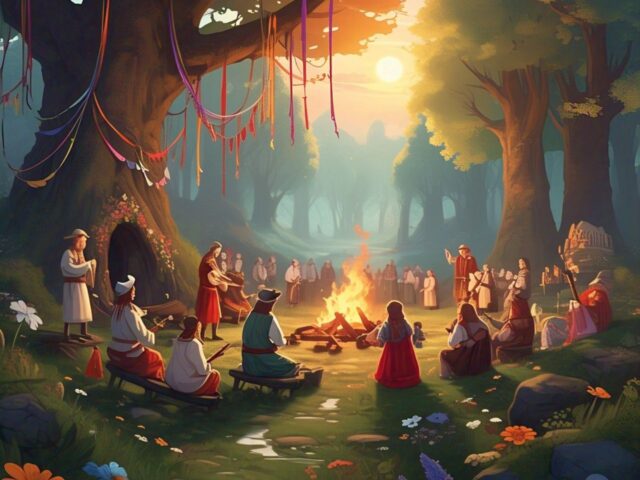
As the world observes Earth Day, many Slavic cultures have been honoring the land for centuries on May 1st, a day when the earth awakens from its winter slumber. This ancient celebration is steeped in tradition and respect for the natural world. Origins and Significance In Slavic mythology, May 1st marked a sacred day when the earth was revered as a living, breathing entity. The land was seen as a nurturing mother, providing sustenance and shelter for all living beings. On this day, the earth was treated with utmost respect and care. Traditional Practices To …
Unveiling the Ancient Slavic Celebration of Великдень (Velikden)Blog

Unveiling the Ancient Slavic Celebration of Великдень (Velikden)

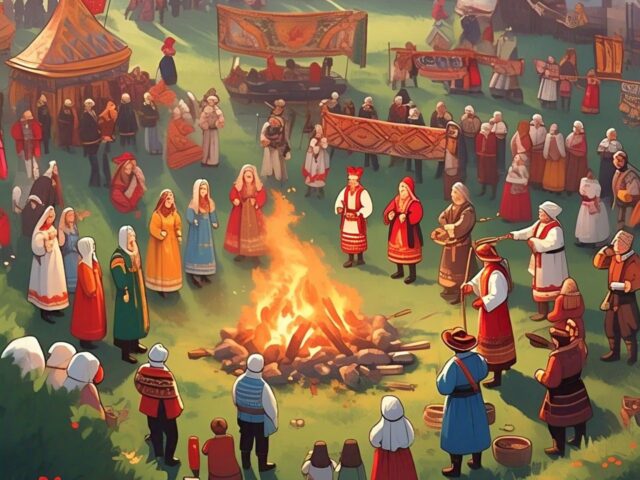
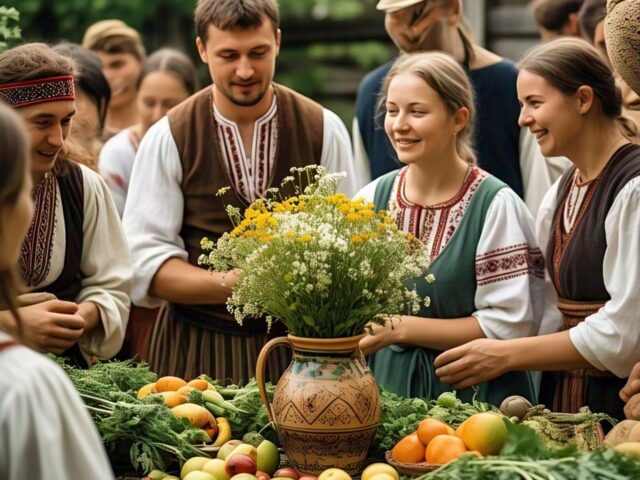
As the spring equinox approaches, many Slavic cultures prepare to celebrate Великдень (Velikden), an ancient festival marking the triumph of light over darkness and the renewal of nature. In this article, we’ll delve into the history, symbolism, and traditions surrounding this fascinating celebration. Origins and Name The term Великдень (Velikden) originates from the Slavic words “velik,” meaning great, and “den,” meaning day. This name reflects the significance of the spring equinox as a turning point in the calendar, heralding the arrival of longer days and warmer temperatures. Pre-Christian Roots Velikden has its roots in pre-Christian Slavic …

Verbohlest: Unveiling the Ancient Slavic Celebration of Spring's AwakeningBlog

Verbohlest: Unveiling the Ancient Slavic Celebration of Spring’s Awakening

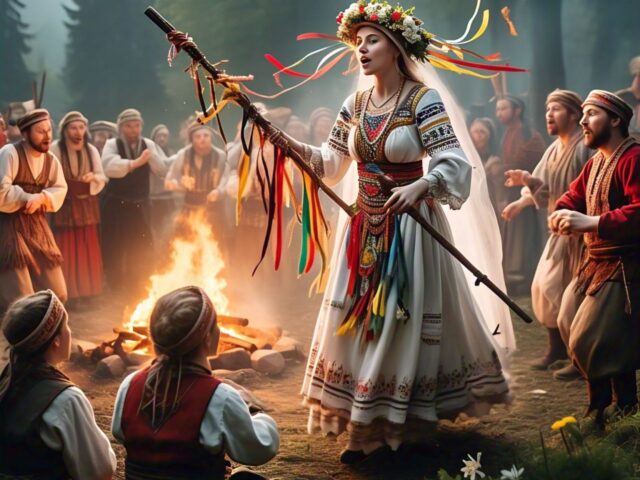
As the warmth of spring spreads across the land, the ancient Slavs welcomed the arrival of Verbohlest, a vibrant celebration marking the third calling of Spring. Typically observed on Blagoveshchenie (Annunciation Day) or during the full moon, this joyous festival honors the awakening of nature and the return of warmth. The Rituals of Verbohlest The celebration begins with the traditional baking of “kresty,” square-shaped cookies adorned with four dots, symbolizing fertility. These treats are often crushed and mixed with seeds for better harvests. The festivities take place near a living tree, decorated with vibrant ornaments. …

Maslenitsa: Unlocking the Secrets of Ancient Slavic Spring CelebrationsBlog

Maslenitsa: Unveiling the Ancient Slavic Celebration of Spring Renewal

As the snow melts away, revealing the vibrant hues of spring, the ancient Slavs welcomed the arrival of Maslenitsa, a joyous celebration marking the Vernal Equinox. Observed from March 18th to 24th, this festive period honors the return of the Sun Gods, the awakening of nature, and the visitation of ancestral spirits. The Mythological Significance of Maslenitsa According to Slavic mythology, during Maslenitsa, the gates of Svaraga (the heavenly realm) open, allowing the Sun Gods to return to the world of the living. This marks the beginning of spring’s rejuvenation, as the earth awakens from …

Radunica, Slavic tradition, spring equinox, Lada, Vesna, Slavic mythology, ancient customs, pagan festivals, Slavic cultureBlog

Radunica: Unveiling the Ancient Slavic Celebration of Spring’s Awakening

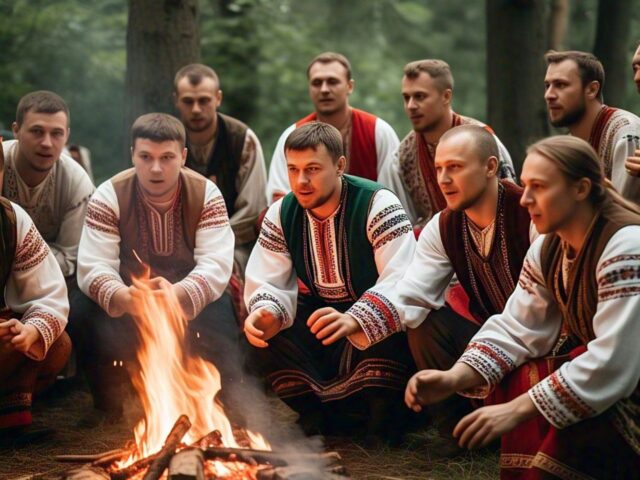
As the last remnants of winter’s chill dissipate, the ancient Slavs welcomed the arrival of spring with a vibrant and joyous celebration – Radunica. Observed on March 8th or 9th, this festive day marked the beginning of spring’s awakening and the triumph of light over darkness. The Rituals of Radunica The celebration began with a lively procession, as young people armed with noise-making instruments – gudelki-sopelki (wooden pipes), palochki-stuchalki (sticks), and veniki-metelki (bundles of twigs) – marched through the village, driving away the remnants of winter. The air was filled with chants and songs, as …

Vesennie Svyatki, Slavic tradition, spring equinox, Perun, Koshchey, Slavic mythology, ancient customs, pagan festivals, Slavic cultureBlog

Spring Awakening: Uncovering the Ancient Slavic Tradition of Vesennie Svyatki

As the last wisps of winter’s chill dissipate, the ancient Slavs welcomed the arrival of spring with a vibrant and mystical celebration – Vesennie Svyatki. This 8-day festival, observed from March 1st to 8th, marked the beginning of spring’s awakening and the triumph of light over darkness. The Mythological Significance of Vesennie Svyatki According to Slavic mythology, during Vesennie Svyatki, the god Perun battled the wicked sorcerer Koshchey, symbolizing the struggle between light and darkness. This mythological narrative was reenacted through various rituals and customs, as the community came together to usher in the new …

Unraveling Fate: Decoding the Ancient Slavic Varениki Tradition of KomoyeditsaBlog

Unraveling Fate: The Ancient Slavic Tradition of Komoyeditsa Varеniki

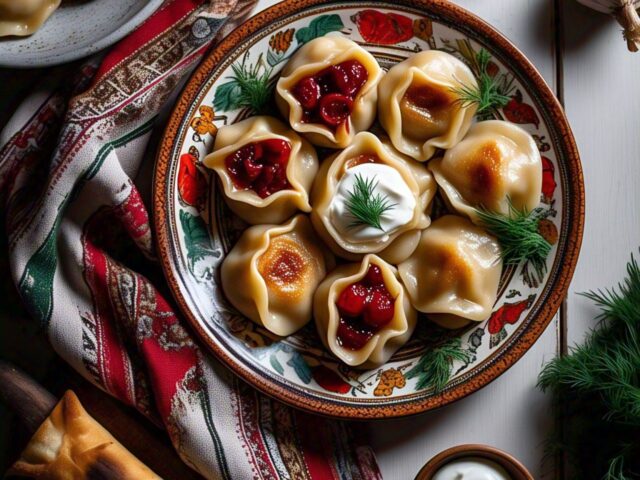
In ancient Slavic culture, the festival of Komoyeditsa was a time of joy, feasting, and divination. One of the most intriguing traditions of this celebration was the serving of vareniki (dumplings) with hidden meanings. The filling of the vareniki was believed to reveal the eater’s fate for the upcoming year. Decoding the Vareniki Fillings Each vareniki filling had a specific interpretation, offering a glimpse into the future. Here are some of the traditional fillings and their corresponding meanings: – Ring: Marriage or engagement – Flour: Liberation from troubles and abundance – Carrot: A profitable offer …

Komoyeditsa, Slavic festival, ancient traditions, spring equinox, Veles, Slavic culture, awakening the bear, pagan festivals, Slavic mythologyBlog

Awakening the Bear: Uncovering the Ancient Slavic Festival of Komoyeditsa

As the snow melts and spring awakens, ancient Slavic cultures celebrated the festival of Komoyeditsa, a joyous and playful ritual that marked the return of warmth and light. Observed on March 6th, this festive day honored the bear god, Veles, and the awakening of nature from its winter slumber. The Ritual of Awakening the Bear The festivities began with a lively game called “Probudiv Medved” or “Awakening the Bear.” Young people, led by a priest dressed as a bear, would venture into the forest to awaken the hibernating bear. The “bear,” played by a young …

candle wax flow, spiritual diagnosis, candle magic, wax flow patterns, spiritual imbalance, energy healing, intuitive guidance, mystical practices, esoteric knowledge.Blog

Deciphering the Secrets of Candle Wax Flow: A Guide to Spiritual Diagnosis

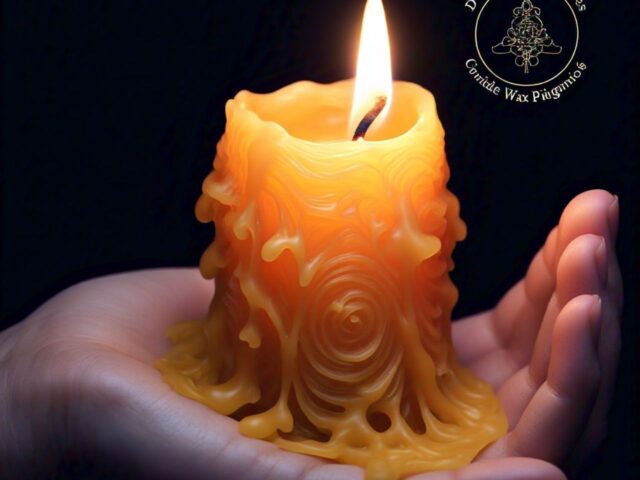
In the realm of spiritual practices, candles have long been used as a tool for diagnosis, healing, and self-reflection. By observing the wax flow on a candle, practitioners can gain insight into an individual’s spiritual state, identifying areas of imbalance and potential causes of distress. In this article, we’ll delve into the world of candle wax flow and explore its significance in spiritual diagnosis. The Ideal State: A Smooth, Flowing Flame When an individual is in a state of spiritual balance, their candle will burn with a smooth, steady flame, free from any wax flow …

thunder candle rituals, Slavic rituals, fire magic, candle magicBlog

Diagnosing with Fire: Unlocking the Secrets of Thunder Candle Rituals

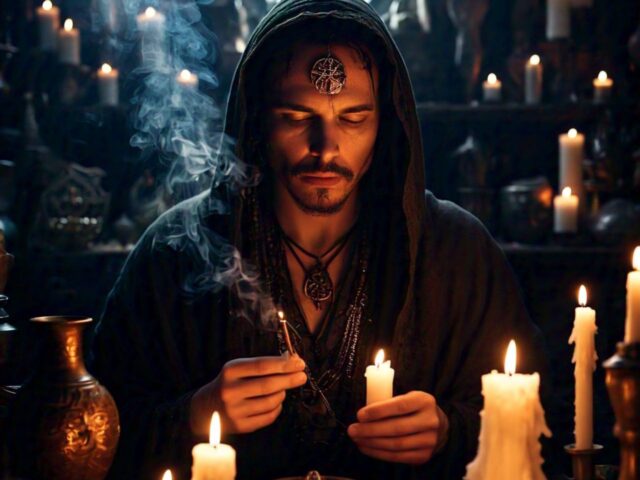
In ancient Slavic traditions, fire played a crucial role in rituals and ceremonies, particularly during the Gromnica period. By observing the behavior of the flame, practitioners could gain valuable insights into the success of their rituals and the presence of various energies. In this article, we’ll explore the art of diagnosing with fire and uncover the hidden meanings behind the flame’s behavior. A Smooth, Steady Flame: A Good Omen If the candle or bonfire ignites easily and burns with a smooth, steady flame, it’s a sign that the ritual is being performed at the right …