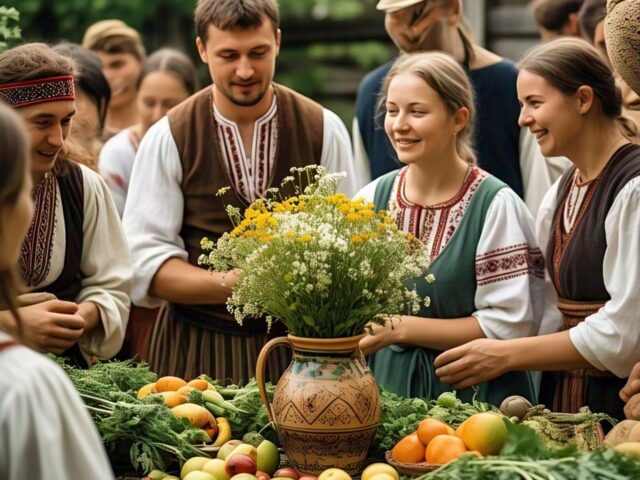
As the world observes Earth Day, many Slavic cultures have been honoring the land for centuries on May 1st, a day when the earth awakens from its winter slumber. This ancient celebration is steeped in tradition and respect for the natural world. Origins and Significance In Slavic mythology, May 1st marked a sacred day when the earth was revered as a living, breathing entity. The land was seen as a nurturing mother, providing sustenance and shelter for all living beings. On this day, the earth was treated with utmost respect and care. Traditional Practices To …
 Blog
BlogCelebrating Earth Day, Slavic Style: Honoring the Land on May 1st
 Blog
BlogVerbohlest: Unveiling the Ancient Slavic Celebration of Spring’s Awakening
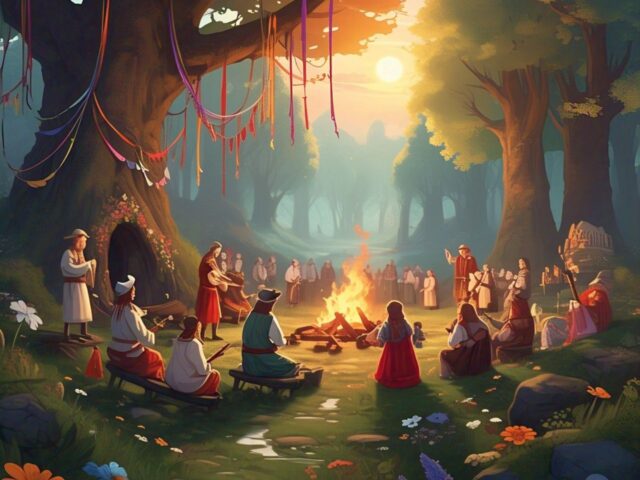
As the warmth of spring spreads across the land, the ancient Slavs welcomed the arrival of Verbohlest, a vibrant celebration marking the third calling of Spring. Typically observed on Blagoveshchenie (Annunciation Day) or during the full moon, this joyous festival honors the awakening of nature and the return of warmth. The Rituals of Verbohlest The celebration begins with the traditional baking of “kresty,” square-shaped cookies adorned with four dots, symbolizing fertility. These treats are often crushed and mixed with seeds for better harvests. The festivities take place near a living tree, decorated with vibrant ornaments. …
 Blog
BlogMaslenitsa: Unveiling the Ancient Slavic Celebration of Spring Renewal
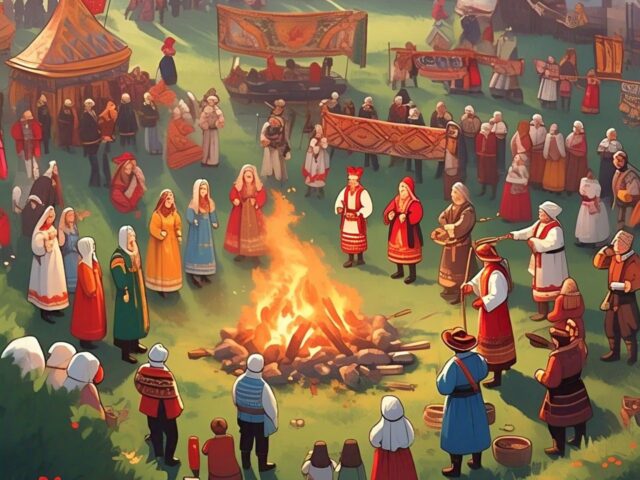
As the snow melts away, revealing the vibrant hues of spring, the ancient Slavs welcomed the arrival of Maslenitsa, a joyous celebration marking the Vernal Equinox. Observed from March 18th to 24th, this festive period honors the return of the Sun Gods, the awakening of nature, and the visitation of ancestral spirits. The Mythological Significance of Maslenitsa According to Slavic mythology, during Maslenitsa, the gates of Svaraga (the heavenly realm) open, allowing the Sun Gods to return to the world of the living. This marks the beginning of spring’s rejuvenation, as the earth awakens from …
 Blog
BlogRadunica: Unveiling the Ancient Slavic Celebration of Spring’s Awakening
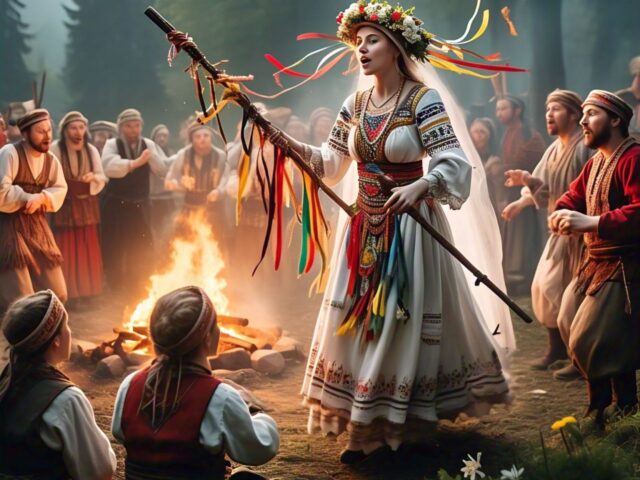
As the last remnants of winter’s chill dissipate, the ancient Slavs welcomed the arrival of spring with a vibrant and joyous celebration – Radunica. Observed on March 8th or 9th, this festive day marked the beginning of spring’s awakening and the triumph of light over darkness. The Rituals of Radunica The celebration began with a lively procession, as young people armed with noise-making instruments – gudelki-sopelki (wooden pipes), palochki-stuchalki (sticks), and veniki-metelki (bundles of twigs) – marched through the village, driving away the remnants of winter. The air was filled with chants and songs, as …
 Blog
BlogSpring Cleaning, Slavic Style: Preparing for Sacred Celebrations
As the seasons change and big celebrations like the spring equinox, autumn equinox, summer solstice, and winter solstice approach, many of us are unaware of the ancient Slavic tradition of thorough cleansing – not just of our physical surroundings, but also of our spiritual and natural environments. A Holistic Approach to Cleaning In Slavic tradition, preparation for sacred celebrations involved a multi-faceted cleaning ritual. This encompassed: The Significance of Environmental Cleaning In ethnographic accounts, it’s remarkable to note that Slavs would often sweep and clean the forests surrounding their villages. This practice underscores the deep …
 Blog
BlogCelebrating Spring with Ancient Slavic Traditions
As winter’s chill begins to fade, the ancient Slavs welcomed the arrival of spring with a series of vibrant celebrations. At the heart of these festivities were the gods of spring, led by the radiant Yarilo, who brought warmth and light to the world. The Gods of Spring Yarilo, the god of spring sunshine, was joined by his brother Ovsyannik, the protector of spring birds and the helper of growth, who “pulled” shoots from under the snow. Together, they summoned the arrival of spring, building bridges of sunlight for the bright-haired Lada. They were often …